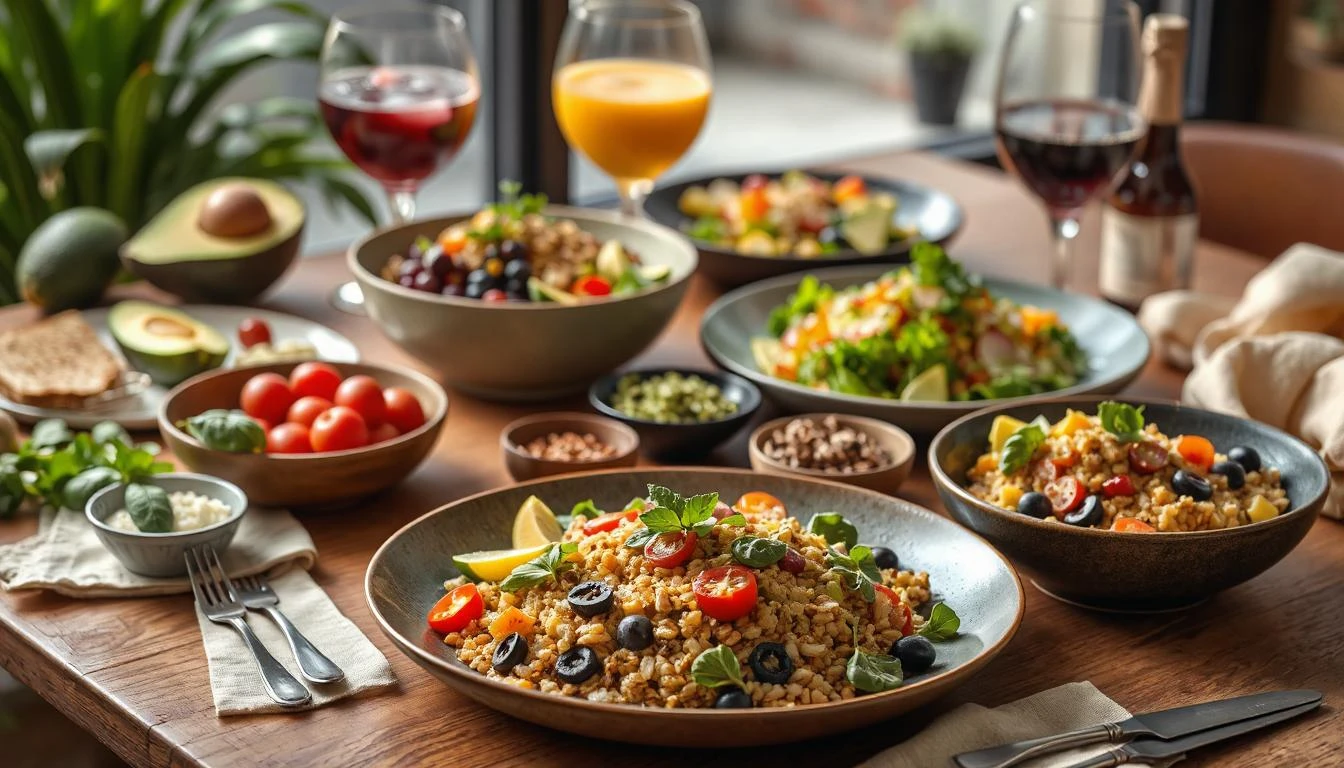
Plant Based Lifestyle Tips For Beginners

Healthy eating is no longer just a trend. Across the world, more people are becoming curious about how their daily food choices affect their energy levels, overall wellness, and even the future of the planet. With growing awareness about nutrition and sustainability, many individuals are looking for practical ways to improve their lifestyle without following overly restrictive diets.
For beginners, learning the right plant based diet tips can make the transition smoother and far less intimidating. Instead of focusing on what you cannot eat, a plant-based lifestyle encourages you to discover nutrient-rich foods, create healthier habits, and enjoy a more balanced relationship with food that can support long-term well-being.
Understanding The Plant Based Lifestyle
Before filling your shopping cart with vegetables, grains, and legumes, it is important to understand what a plant-based lifestyle really means. Many people assume it is simply another diet trend, but it is actually a flexible approach to eating that prioritizes foods derived primarily from plants while allowing individuals to adopt changes at their own pace.
One of the keys to long-term success is learning how to prepare balanced plant based meals that provide essential nutrients while remaining satisfying and enjoyable. When meals are thoughtfully planned, maintaining this lifestyle becomes much easier and more sustainable.
Difference Between Plant Based And Vegan Diets
Although the terms are often used interchangeably, there are important differences between a plant-based diet and a vegan diet. A plant-based lifestyle focuses on eating mostly whole foods from plant sources such as vegetables, fruits, legumes, nuts, seeds, and whole grains. The primary goal is improving health and nutrition.
A vegan diet, meanwhile, excludes all animal products completely, including dairy, eggs, and honey. While some people choose veganism for ethical or environmental reasons, many individuals adopt a plant-based lifestyle mainly to improve their health while still maintaining some flexibility in their food choices.
Benefits Of Eating More Plant Based Foods
Adding more plant-based foods to your diet can provide a wide range of benefits. Foods rich in fiber, antioxidants, vitamins, and minerals help support digestive health, cardiovascular wellness, and healthy weight management. Many people also report feeling more energetic after increasing their intake of whole foods.
Dr. Michael Greger, physician and internationally recognized nutrition expert, has frequently highlighted that dietary choices play a major role in preventing chronic diseases. His research continues to demonstrate how nutrient-dense plant foods can contribute to better long-term health outcomes.
Supporting Health And Environmental Awareness
Beyond personal wellness, plant-based eating also supports environmental awareness. Producing fruits, vegetables, legumes, and grains generally requires fewer resources compared to many animal-based food systems, helping reduce environmental pressure on land and water resources.
This combination of personal and environmental benefits explains why plant-based lifestyles continue to gain popularity across different age groups and cultures around the world.
Simple Tips For Starting A Plant Based Lifestyle
Making significant dietary changes can feel overwhelming at first. The good news is that you do not need to transform your eating habits overnight. Small and consistent adjustments often lead to the most sustainable results because they allow new behaviors to become part of your routine naturally.
By focusing on simple strategies, you can gradually build confidence and create a strong foundation for long-term success.
Replacing Processed Foods With Natural Ingredients
One of the easiest ways to begin is by replacing highly processed foods with more natural alternatives. Fresh fruits, vegetables, nuts, seeds, and legumes offer a wealth of nutrients while reducing the intake of excessive sugars, sodium, and artificial additives.
For example, replacing packaged snacks with fresh fruit and nuts can provide lasting energy while helping you become more familiar with whole-food eating habits.
Planning Balanced Plant Based Meals Daily
Meal planning is one of the most effective tools for maintaining consistency. A balanced plate typically includes vegetables, whole grains, healthy fats, and plant-based protein sources that work together to support overall nutrition.
Some helpful meal ideas include quinoa bowls with roasted vegetables, lentil soups paired with whole-grain bread, or chickpea salads topped with avocado and mixed greens. These meals are simple, nutritious, and easy to customize.
Finding Healthy Protein Sources From Plants
Protein is often one of the first concerns beginners have when considering a plant-based lifestyle. Fortunately, there are many excellent plant-based protein sources available.
Foods such as lentils, chickpeas, black beans, tofu, tempeh, edamame, hemp seeds, chia seeds, and quinoa provide significant amounts of protein while also delivering additional nutrients like fiber and minerals. Incorporating a variety of these foods throughout the week helps support nutritional balance.
Common Challenges For Beginners
Every lifestyle change comes with challenges, and transitioning to a plant-based diet is no exception. Understanding potential obstacles beforehand can help you prepare realistic solutions and avoid becoming discouraged during the adjustment period.
Rather than viewing challenges as failures, consider them valuable learning experiences that contribute to long-term success.
Adjusting Eating Habits Gradually
One of the most common mistakes beginners make is trying to change everything immediately. While enthusiasm is valuable, dramatic changes can sometimes feel difficult to maintain.
Instead, consider introducing one plant-based meal each day or dedicating specific days of the week to plant-focused eating. This gradual approach often leads to greater consistency and lasting results.
Managing Nutrition And Meal Preparation
Learning how to meet nutritional needs can seem complicated initially, especially when exploring unfamiliar ingredients. However, with a little planning, meal preparation quickly becomes easier and more efficient.
Maintaining variety is important. Including diverse sources of vegetables, legumes, whole grains, nuts, and seeds helps ensure a broad spectrum of nutrients while keeping meals interesting.
Staying Motivated With Long Term Lifestyle Goals
Motivation naturally fluctuates over time. Some days will feel easier than others, and that is completely normal. Instead of pursuing perfection, focus on progress and celebrate small victories along the way.
Registered dietitian Brenda Davis, known for her extensive work in plant-based nutrition, has emphasized that well-planned plant-based diets can support health across all stages of life. Her expertise reinforces the importance of consistency rather than perfection.
Build Healthier Habits With A Plant Based Lifestyle
The true value of a plant-based lifestyle extends beyond individual meals. It is about creating daily habits that support long-term wellness, improve your relationship with food, and encourage greater awareness of the choices you make every day.
As more people discover the benefits of eating whole, nutrient-dense foods, plant-based living continues to evolve from a simple dietary preference into a practical lifestyle strategy. Whether your goal is improving your health, increasing your energy, or making more mindful food choices, the journey begins with small steps that gradually become lasting habits.
If you have been considering making positive changes to your eating routine, now is an excellent time to start exploring the possibilities. The best results often come from simple actions taken consistently, one meal at a time. Start today and discover how a plant-based lifestyle can fit naturally into your everyday life.